What a Pull Request Actually Is
A Pull Request (PR) is GitHub's mechanism for proposing a change and getting it reviewed before it becomes part of the "real" codebase — the collaboration layer GitHub adds on top of plain Git branching and merging.
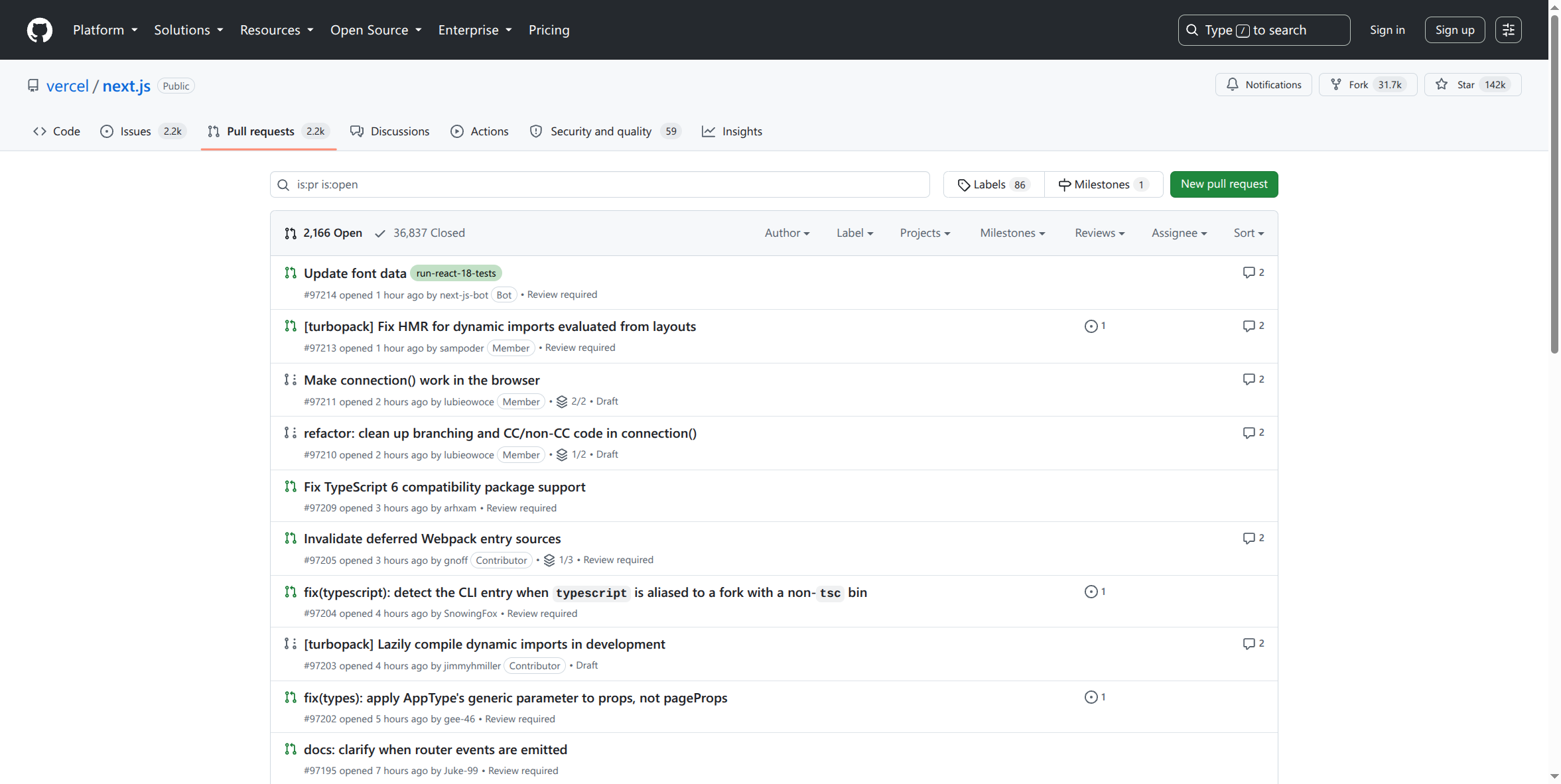
A PR proposes merging one branch into another, most commonly a feature branch into main. Opening a PR doesn't merge anything automatically — it starts a conversation: here's what changed, here's why, and here's where reviewers and automated checks weigh in before it actually merges.
Push your branch, then open the PR from GitHub's interface. After pushing a branch (from the GitHub Basics course), GitHub's website (or Visual Studio's Git integration) offers to open a PR comparing it against your target branch — showing the full diff of every change.
A good PR description explains the "why," not just repeats the diff. What problem does this solve, what did you consider and reject, anything a reviewer should specifically pay attention to — the diff already shows what changed; the description's job is everything the diff can't show.
PR templates standardize what's expected. A repository can define a PR template (.github/PULL_REQUEST_TEMPLATE.md) that pre-fills new PRs with a checklist or required sections — useful for a team wanting consistent, complete PR descriptions rather than relying on everyone remembering what to include.
Draft PRs signal "not ready for full review yet." Opening a PR as a Draft (a toggle in GitHub's interface) lets you get early visibility or CI feedback without implying it's ready for a final review — convert it to a normal PR once it actually is.
Why this matters for you
A PR is the actual unit of collaboration on most real teams — understanding it well is more relevant to daily work than almost anything else in this entire track.
▶️ Before the next lesson
If you have a branch with real changes from earlier in this track, push it and open a Pull Request against your main branch — even on your own repository with no other reviewers, to see the interface itself.