Organizations: Repositories at Company Scale
A GitHub Organization is how a company (rather than an individual) owns repositories — with team-based access control that a personal account simply doesn't have.
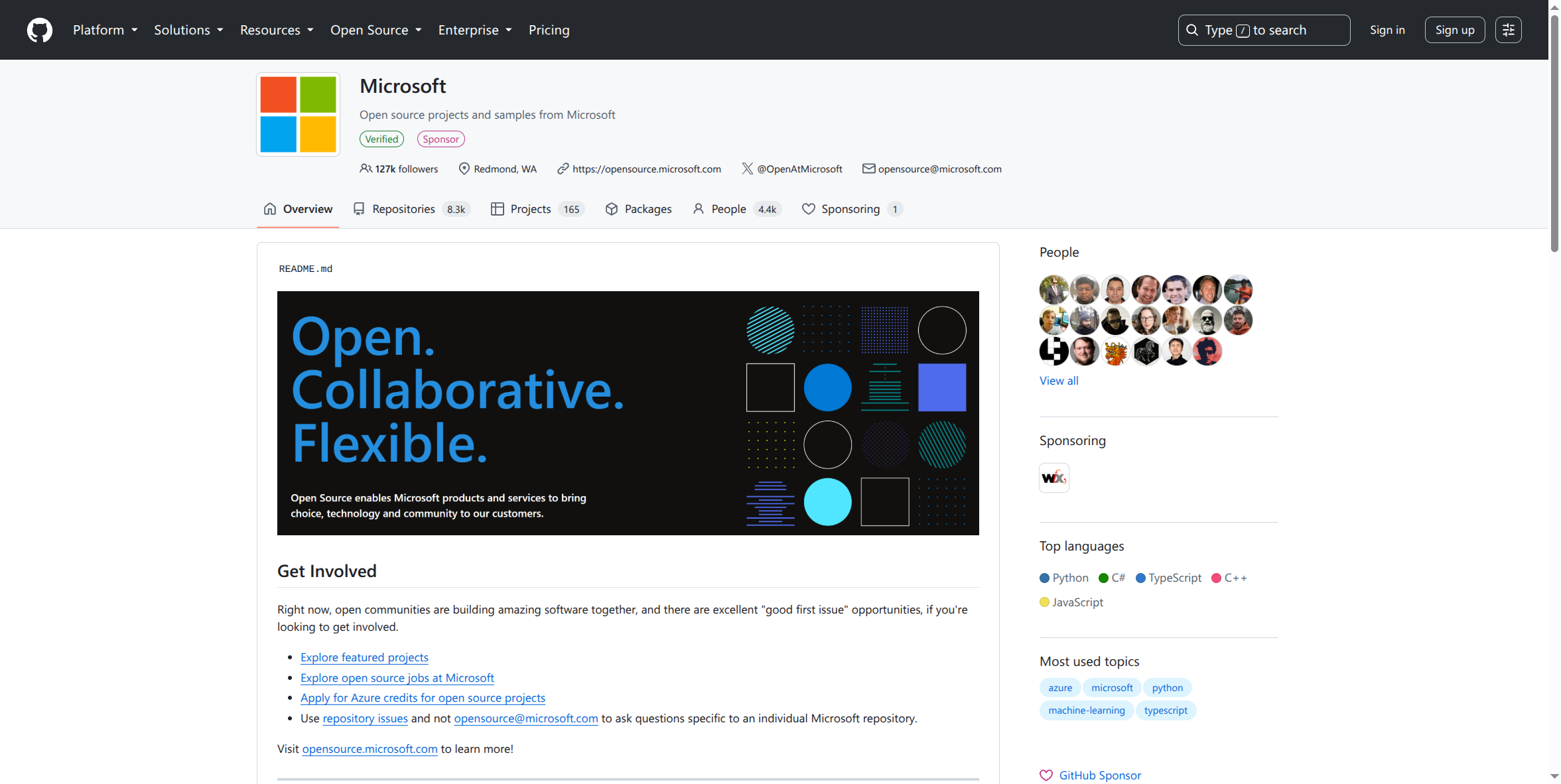
An Organization owns repositories collectively, not any one person. Repositories under an Organization (e.g., github.com/securafy/...) belong to the company, not to whichever individual happened to create them — critical for continuity when someone leaves the team.
Teams group members and control access at scale. Rather than granting access to each repository one person at a time, you create Teams (e.g., "Backend," "Design") and grant a Team access to relevant repositories — adding someone to the right Team gives them appropriate access to everything that Team can reach, in one step.
Permission levels are genuinely granular: Read (view and clone), Triage (manage issues/PRs without write access to code), Write (push code), Maintain (additional repo management, without full admin), Admin (full control including settings and danger-zone actions). Assign the narrowest permission that lets someone do their actual job.
Organization-wide settings cascade to every repository, including default branch protection templates, required security features, and base permission levels — letting an admin set sane defaults once rather than configuring every new repository from scratch.
Billing and seats are managed at the Organization level, not per-repository — relevant context if you're the one making the GitHub plan decision for a company (Free, Team, Enterprise), rather than just using repositories someone else set up.
Why this matters for you
Understanding Organizations is what separates "I know how GitHub works for my own projects" from "I understand how GitHub works at the company Securafy actually operates at" — the access model is genuinely different at that scale.
▶️ Before the next lesson
If you have access to Securafy's GitHub Organization, look at which Teams exist and which repositories they can access — just to see the structure in practice before this course goes deeper.